
2 min read
GOAT 2.0: Navigating Radical Uncertainty Together
Big picture planning looks like throwing darts right now. Spend a day with people working through Radical Uncertainty together. Ottawa, Nov 26
Read full articleFocus on outcomes, not outputs. Leadership is changing. Focus on fostering self-organization and resilience in increasingly complex environments.
Big picture planning looks like throwing darts right now. Spend a day with people working through Radical Uncertainty together. Ottawa, Nov 26
Read full article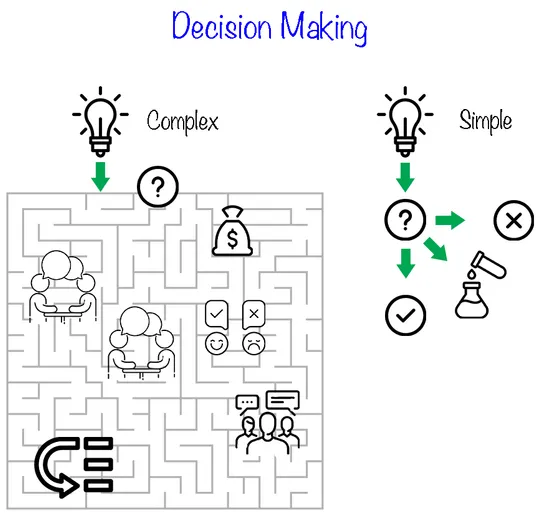
Learn how complexity tax undermines resilience through poor structure, slow decisions, and conflicting metrics. Practical strategies to simplify and strengthen your organization.
Read full article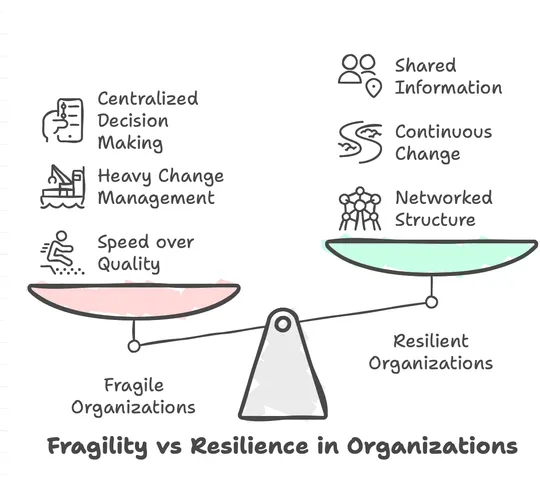
A fragile organization that goes faster will be knocked over in the slightest wind.
Read full article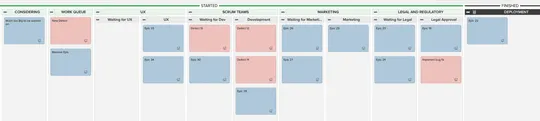
In most organizations, work spends more time waiting to be worked on, than being worked on. To go faster? Look for the queues
Read full article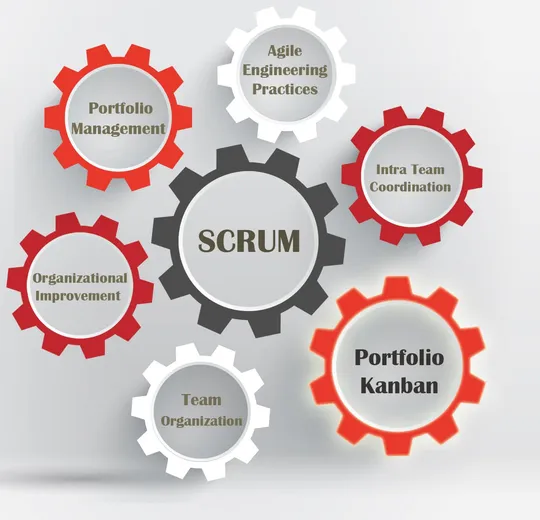
Most work items spend more time waiting than actually being worked on
Read full article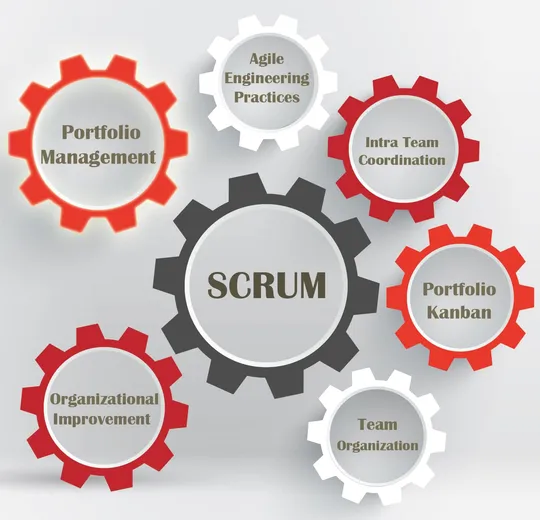
Without stable, focused teams, there is no predictability in the system. Portfolio management is the art of keeping those teams fed.
Read full article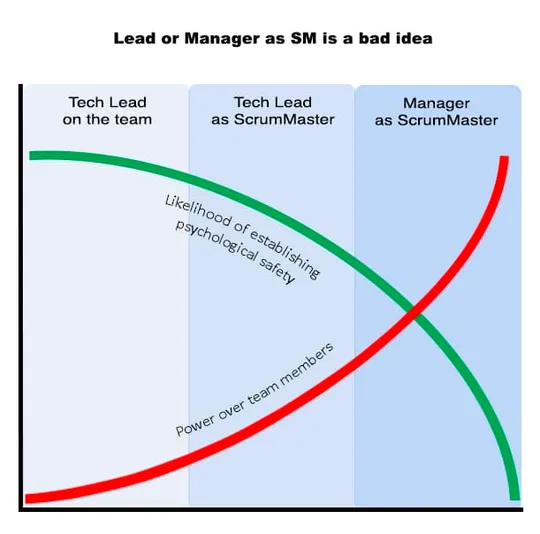
When the Manager becomes the team's ScrumMaster, the essence of Scrum will rapidly disappear. Here's why combining these roles is a bad idea.
Read full article
Are in office mandates helping or hurting your team? We examine the evidence on remote work and the hidden costs of forcing people into the office.
Read full article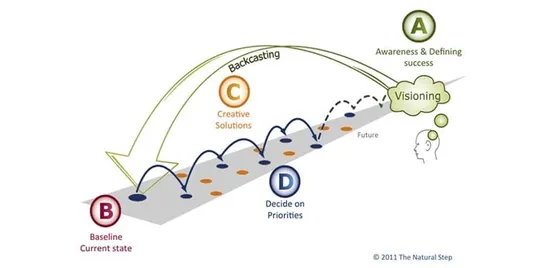
Instead of focusing on being Agile, create a shared vision of what improvement actually looks like
Read full article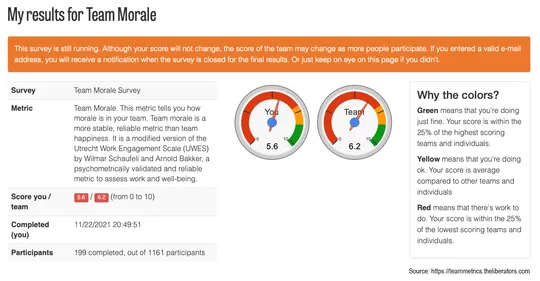
Data and metrics are not synonymous. Velocity won't help your team improve
Read full article
Red-Yellow-Green reports hide detail instead of inviting conversations about where projects need help, suppressing problems until it's too late. Better alternatives insid.
Read full article
The more the manager takes control, the more decisions they make, the longer wait times for everything
Read full article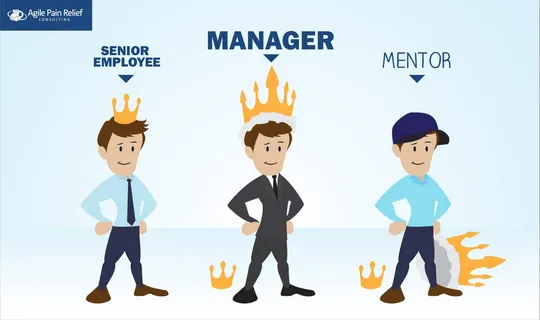
Traditional titles can be toxic at the team member level because they imply a limitation
Read full article
Self-organizing teams require managers to support and develop, not direct and control
Read full article
Agile transformation succeeds through participation, not enforcement from top management
Read full article
Forcing change conflicts with the essential human need for autonomy
Read full article
Is my specific role: QA/BA/UX/.. considered a Developer in Scrum
Read full article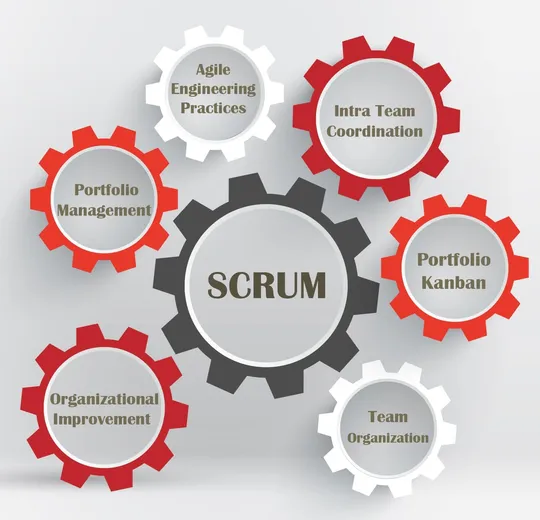
We've had requests for a single page that lists all the ongoing [Beyond Scrum blog
Read full article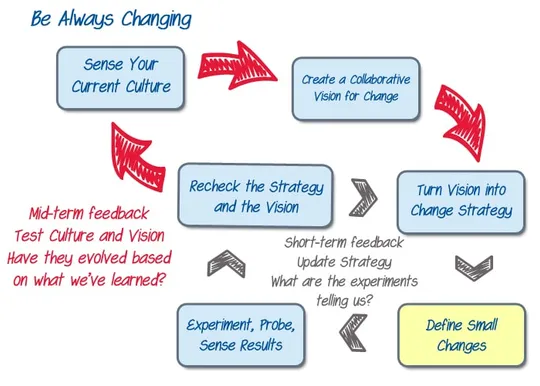
Seeing an organizational change map with seven to eight proposed major changes can feel
Read full article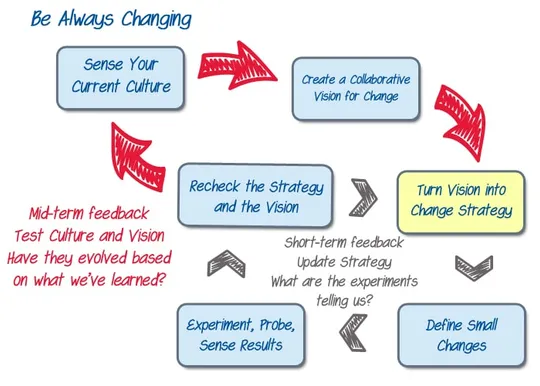
Both Vision and Strategy should be created with input from the whole organization, not just leadership
Read full article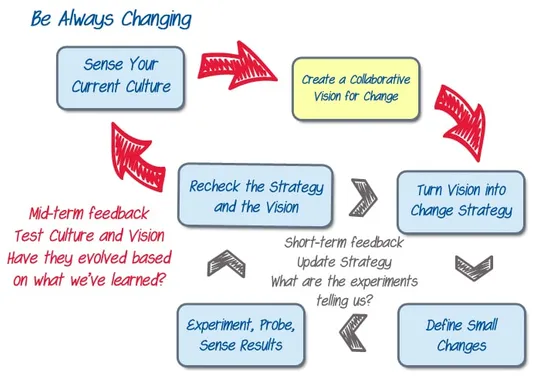
Define vision for change with a mix senior management, middle management, and doers
Read full article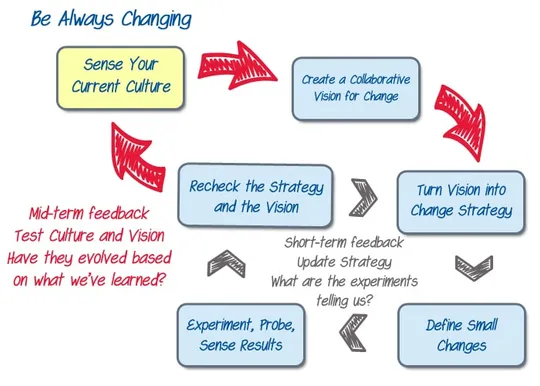
If nothing changes, the control focus of the organization will destroy the Agile Improvement
Read full article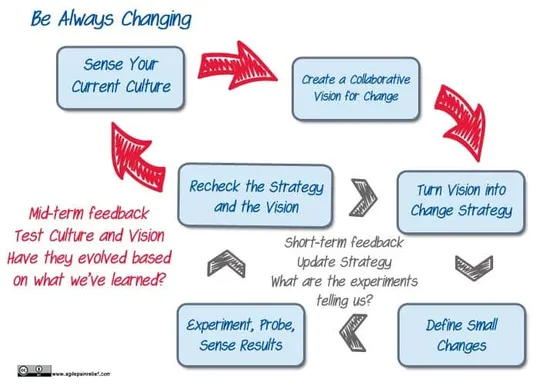
Grow a culture where frequent small changes are the norm as the pace of change increases
Read full article
Your organization has decided to become more “Agile.” Why? As we learned in a previous
Read full article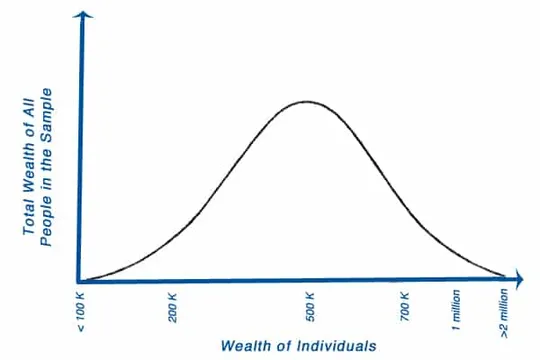
Don't let averages fool you. Assume bell curve for 10,000 people's wealth? Include billionaires, and it flattens. Cognitive biases fool us.
Read full article
In 201x, the global financial markets collapsed. Reason: mortgages were given to people
Read full article
Companies are starting to fall into a trap, and it goes something like this, “Our
Read full article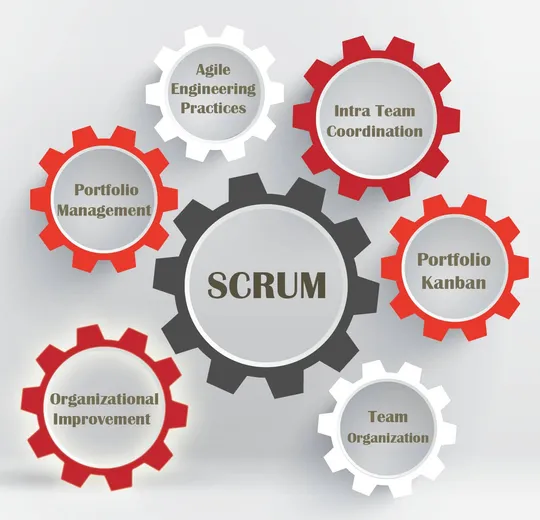
An example of an Organizational Improvement Teams can using Scrum
Read full articleUsing Scrum for Organizational Improvement, remember to include the people on the gorund
Read full articleprioritize value delivery over keeping workers constantly busy
Read full articleTo be successful with Scrum in the long term you need more than the basic framework.
Read full articleChange has always been a constant. The challenge today is that the rate of change is accelerating. What got us here won’t help us survive in the future. Worse yet, the complexity of our world is increasing; we can’t keep track of the variables, let alone predict what will happen next.
Gone is:
If we want our organizations to survive, we need to change, Managers:
Be aware of false promises, like: “AI will solve all our problems” or “If we restructure, yet again, it will make us more efficient.”
Explore what Scrum is and how to make it work for you in our Scrum Certification training. Hands-on learning will guide you to improve teamwork, deliver quick feedback, and achieve better products and results.
Focuses on the role of the team and the ScrumMaster. Get the skills and practical experience necessary to improve teamwork, take the exam, and advance your career with a certification that is in high demand today. Often the best fit for anyone new to Scrum.
Learn on-the-job applications of key Scrum concepts, skills, principles, along with practical solutions that you can apply the next day for difficult, real-life situations.
Everything you need to earn your Scrum Alliance® ScrumMaster certification, including exam fee and membership, and so much more.
With focus on the challenges that real teams face, and tools to dig deeper. You don’t need more boring Scrum theory. You need something you can sink your teeth into to see immediate results.
This workshop is not just for software development or people with a computer science degree. We’ve helped many non-software teams with Scrum.
Use Scrum knowledge to standout at work, get paid more, and impress your customer, all without burning out.
Learn the basics of using Generative AI as a tool to support Systems Thinking in your ScrumMaster role. Explore how to leverage GenAI to help uncover patterns, and think more deeply about the systems your team operates in.
Your learning doesn’t stop when the workshop ends. You get lifetime access to all course materials, plus a followup email series designed to reinforce your learning objectives and help you apply what you’ve learned on the job.